


In the high-stakes world of electronics assembly—where components lose value every hour they sit in a warehouse—speed is the ultimate competitive advantage. For manufacturers dealing with high-value components (semiconductors, high-end sensors, and consumer electronics), the Dubai Logistics Corridor (DLC) is no longer just a transit point; it is a strategic production tool.
By unifying sea, land, and air operations under a single bonded environment, the corridor effectively reduces sea-to-air transit times by 40%, often moving cargo from a ship’s deck to an aircraft’s hold in under one hour.
The Infrastructure: A Three-Pillar Powerhouse
The DLC spans over 200 square kilometers, physically and digitally linking three critical zones into one seamless “bonded” loop:
Jebel Ali Free Zone:
One of the world’s largest container ports, serving as the primary entry point for raw materials and sub-assemblies from Asia. The assembly and value-added hub where 100% foreign-owned companies perform light manufacturing and testing.Al Maktoum International Airport (DWC):
A dedicated cargo powerhouse designed to handle massive volumes of outbound high-value finished goods.
How to Achieve the 40% Reduction in Transit Time
For a high-value electronics firm, the time-saving “magic” happens through three specific logistical shifts:
1. The Single Customs Bond
In traditional logistics, moving goods from a port to an assembly zone and then to an airport requires multiple customs declarations, inspections, and financial guarantees. Within the DLC, goods move under a Unified Customs Bond.
- The Result: No repeated inspections. Cargo moves through the “Virtual Corridor” without the friction of typical cross-border red tape.
2. The Bonded Road Link
There is a dedicated, physical road link that connects Jebel Ali Port to DWC airport. Trucks move within a geofenced, secure environment, meaning they do not have to exit into public traffic or clear traditional gate security at every transition.
- The Result: Sea-to-air transfer that used to take 4-6 hours now consistently happens in 45 to 60 minutes.
3. Proactive Assembly at the "Point of Hub"
By moving assembly operations into Jafza or the Dubai South Logistics District, firms eliminate the “Final Mile” delay.
- The Strategy: Instead of shipping finished goods from East Asia, firms ship components via sea (low cost) to Jafza. Assembly is completed locally, and the high-value finished product is immediately put on a plane at DWC (high speed) for the European or African markets.
The Regulatory Landscape: Substance and Compliance
| Phase | Traditional Sea-Air Route | Dubai Logistics Corridor (DLC) |
|---|---|---|
| Port Discharge & Clearance | 12 - 24 Hours | 4 - 6 Hours (Pre-cleared) |
| Transfer to Assembly/Warehouse | 4 - 8 Hours (Traffic + Customs) | 1 Hour (Bonded Road) |
| Outbound Air Loading | 6 - 12 Hours | 2 - 4 Hours (Direct DWC access) |
| Total Estimated Transit | 44 Hours | 26 Hours |
Strategic Advantages for Electronics Manufacturers (2026)
- Lower transit times mean less capital tied up in "floating" inventory.
- 0% Customs Duty: As long as the components remain within the bonded corridor and are re-exported, no import duties are paid, preserving margins on expensive parts.
- Climate-Controlled Security: The corridor offers sophisticated, temperature-controlled transit and storage, essential for sensitive PCBAs (Printed Circuit Board Assemblies).
The Dubai Logistics Corridor has transformed from a transport route into a “synchronous supply chain.” For high-value electronics, where the window of market relevance is narrow, using the DLC is the difference between being first to market and being stuck in a port queue.
Leverage HLB HAMT's Expertise for Your UAE Operations
HLB HAMT brings over 25 years of experience in the UAE as a leading business consulting firm. Our team supports electronics manufacturers with company formation in free zones such as JAFZA and Dubai South, customs and VAT compliance, tax advisory for bonded operations, business setup, and regulatory guidance tailored to logistics and supply chain needs in Dubai. Whether you plan to establish assembly in the DLC or optimize existing operations, our experts help navigate free zone rules, secure licenses, and ensure duty-free benefits while maintaining full compliance.
Contact HLB HAMT today for a free consultation on setting up or expanding in the Dubai Logistics Corridor.
Frequently Asked Questions
What exactly is the Dubai Logistics Corridor (DLC)?
The DLC is an integrated bonded zone connecting Jebel Ali Port, Jebel Ali Free Zone (Jafza), Dubai South, and Al Maktoum International Airport (DWC). It allows seamless movement of goods under a single customs bond, reducing transit times for sea-air shipments.
How does the single customs bond work for electronics components?
Goods enter the bonded area without full import clearance. Components can undergo assembly or testing in Jafza or Dubai South, then move to DWC for export without paying UAE customs duty, as long as they are re-exported.
Can foreign companies own 100% of an assembly operation in the DLC?
Yes. In free zones such as Jafza and Dubai South, 100% foreign ownership is permitted for most activities, including light manufacturing, assembly, and logistics related to electronics.
What types of storage are available for sensitive electronics in the DLC?
The corridor provides climate-controlled warehouses and temperature-regulated transit facilities to protect sensitive items such as semiconductors and PCBAs from humidity, heat, and static damage during handling.
How can a company start using the DLC for faster market delivery?
Begin by setting up a free zone entity in Jafza or Dubai South for assembly. Partner with logistics providers for bonded trucking, and ensure customs documentation aligns with the unified bond. Consulting firms experienced in UAE free zones can handle licensing, compliance, and setup efficiently.
About the Author
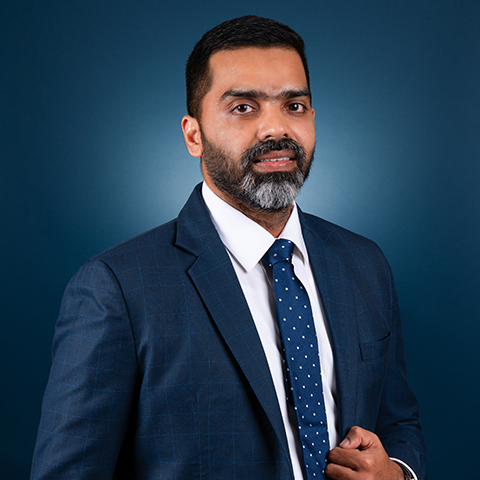
Lavin is a dynamic leader with over 15 years of experience in the field of business consultancy. As the Head of the Business Consultancy division at HLB HAMT, he has consistently demonstrated his ability to accomplish diverse tasks and drive the division towards success. His journey began with a prominent publishing company in India before he transitioned to Dubai to pursue his career aspirations.